

Alba County · Apuseni Mountains
Roșia Montană Travel Guide: UNESCO Mining Heritage, Roman Galleries and Village Walks
Roșia Montană is a landscape shaped by gold mining, with Roman workings, later industrial heritage and a living village. A thoughtful visit combines the Mining Museum with time above ground, allowing the history and community to explain more than a single underground attraction.
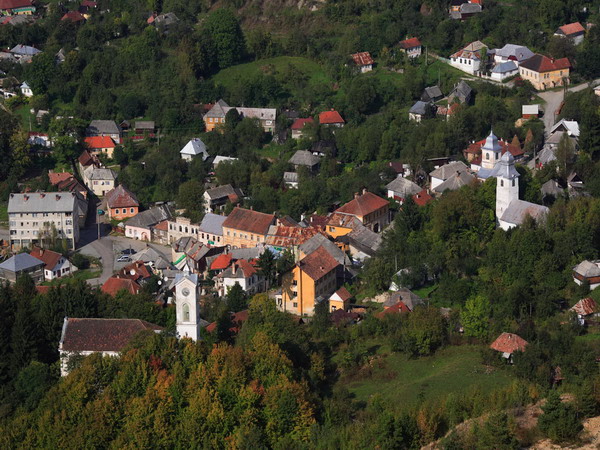

A mining landscape with several layers
UNESCO inscribed the Roșia Montană Mining Landscape in 2021 for its exceptional Roman mining heritage and wider historical setting. The ancient settlement was known as Alburnus Maior. The interest extends beyond tunnels: buildings, churches, later mining infrastructure and the surrounding landscape explain the communities that worked here.
Begin with the Mining Museum operated by Minvest. Its visitable Roman galleries and surface exhibits give a concrete introduction to extraction and processing. Only the authorised visitor route should be entered; a heritage designation does not open every tunnel, excavation or industrial site to independent exploration.
A village walk or a locally arranged heritage tour adds a different perspective. The community’s UNESCO audio-tour project introduces individual landmarks and their stories. Ask before photographing residents or entering courtyards, and avoid describing occupied homes or conservation areas as abandoned scenery simply because a façade appears old.


Museum access, stairs and photography
Consult the museum operator before travelling for the current programme, ticket and tour arrangements. Minvest publishes a tariff-and-programme document effective from May 2026; use the current document rather than an older event announcement. Ask whether the underground visit is available in your preferred language and whether advance arrangements are necessary.
The operator describes a long stair descent, low galleries and cool, humid underground conditions, with temperatures around 7–10°C. Bring a warm layer and footwear with grip, and ask about suitability if stairs or confined spaces are difficult for you. Museum admission is not proof that the underground route meets every accessibility need.
Minvest’s published rules restrict internet publication of amateur photographs taken inside the museum, and professional photography requires an agreement. Follow the operator’s current instructions before taking or sharing images. The photographs illustrating this guide show the village above ground and have separate Wikimedia Commons licences; they are not museum interior photographs.
Reaching Roșia Montană
Plan the journey through the Apuseni region with its slower roads in mind. Alba Iulia, Abrud and Câmpeni are useful reference points, but do not convert a straight-line distance into a driving time. Confirm your museum appointment before fixing the day’s route and leave a margin for parking and finding the entrance.
A car or arranged transfer is useful for a visit combining the museum and surrounding settlements. If relying on public transport, verify the actual stop, onward connection and return service for the day. Ask your host or tour organiser about the final transfer; arrival in a nearby town does not automatically get you to the Mining Museum on Strada Minei.
A full day with heritage and village time
Book or confirm the museum visit first, then build the day around its operating arrangements. Begin with the galleries and surface interpretation if the confirmed schedule permits, pause for lunch at an open venue, and devote the afternoon to a village walk or heritage tour. Avoid adding a distant mountain attraction simply to fill a checklist.
With an overnight stay, use a second day for a locally recommended walk that suits the conditions and your ability. Ask about land access and route restrictions, and keep away from unmarked workings or unsafe industrial ground. A local guide can connect the landscape with family histories and conservation issues in ways that a map alone cannot.
Staying locally and planning responsibly
A village guesthouse supports a slower visit and gives time for local stories, while a larger-town base may suit a broader Apuseni itinerary. Confirm meal availability, arrival time, road access and parking directly with the property. Small accommodation providers may need notice for dinner or transfers, especially outside busy periods.
Choose guided experiences with clear meeting points, languages, inclusions and cancellation conditions. Do not assume a surface walk includes a museum ticket or underground access. Carry water for outdoor time and a layer for the galleries.
Official information for your visit
Sources reviewed on 3 October 2026. Confirm current opening, admission and local conditions for your travel date. Suggested durations and itineraries are editorial recommendations.